

If you’ve ever picked up a wine bottle or luxury product and noticed the label felt different — heavier, textured, almost fabric-like — there’s a good chance it was printed on Tintoretto paper.
Tintoretto labels are widely regarded as a premium option in the world of self-adhesive labels — not just because of how they look, but because of how they feel. The subtle texture, natural finish, and sense of craftsmanship make them a popular choice for brands that want their packaging to communicate quality before the product is even opened.
In this guide, we’ll explain what Tintoretto labels are, what makes them unique, where the material comes from, and why so many premium brands choose it.
What Are Tintoretto Labels?
Tintoretto labels are produced using a high-quality textured paper stock developed by the Italian paper manufacturer Fedrigoni, known for its long tradition of fine papermaking.
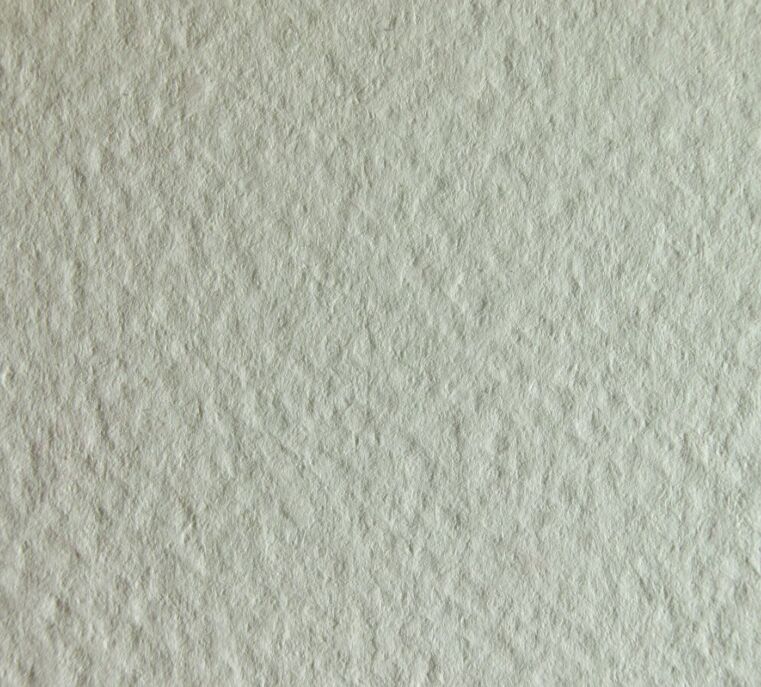
Unlike standard smooth label papers, Tintoretto features a distinctive surface texture that gives it depth and character. This tactile finish elevates even simple designs, helping products feel more intentional and premium without relying on foils, varnishes, or high-gloss coatings.
For brands focused on quality, heritage, or craftsmanship, Tintoretto offers a material that subtly reinforces those values.
What Makes Tintoretto Paper Different?
The defining feature of Tintoretto paper is its textured surface. Rather than being flat and uniform, the paper has a lightly hammered or woven effect that interacts beautifully with light and touch.
This texture isn’t just aesthetic — it plays a major role in how the label is perceived:
- It adds depth to printed designs
- It makes labels feel thicker and more substantial
- It gives packaging a handcrafted, artisanal quality
Tintoretto paper is also known for being:
- Durable and resistant to curling
- Suitable for fine typography and detailed artwork
- Capable of holding ink cleanly despite its texture
These qualities make it especially popular for products where presentation matters just as much as performance.

The Origin of Tintoretto Paper

Tintoretto paper takes its name from Jacopo Robusti, the Italian Renaissance artist better known as Tintoretto.
Renowned for his expressive, textured brushwork and dramatic use of light, Tintoretto’s art was defined by movement, depth, and craftsmanship — qualities that closely reflect the character of the paper itself.
Produced in Italy, Tintoretto paper was designed to bring an artistic, tactile quality to printed materials. Rather than striving for a perfectly smooth surface, the paper embraces texture, echoing the traditional papers historically used by artists and printmakers.
This heritage is a key reason Tintoretto labels feel different in the hand. They don’t just look premium — they carry a sense of artistry, tradition, and European craftsmanship that mass-produced papers can’t replicate.
What Are Tintoretto Labels Commonly Used For?
Because of their premium look and feel, Tintoretto labels are most often used on products where branding and first impressions are critical.
They are particularly popular for:
- Wine and spirits bottles
- Artisan food and beverage products
- Luxury candles and home fragrance
- Boutique cosmetics and skincare
- Limited-edition or gift collections
Many brands use Tintoretto specifically to differentiate premium product lines from standard offerings within the same range.

How Do Tintoretto Labels Print?
Despite their textured surface, Tintoretto labels print exceptionally well when paired with the right printing method. The texture subtly breaks up large flat areas of color, giving designs more depth and a softer, organic finish. Text and fine details remain crisp, while solid areas gain character rather than appearing flat.
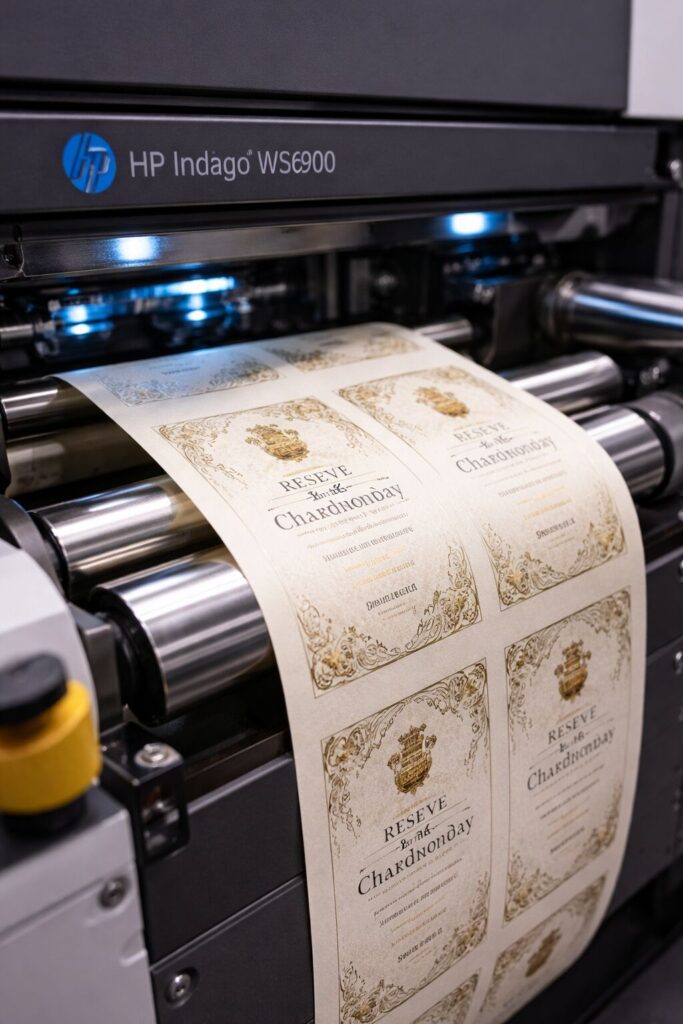
Because of the specialized nature of the paper, Tintoretto labels are produced using professional digital printing rather than desktop or sheet-fed printers. At LabelDen, Tintoretto is printed digitally on rolls using an HP Indigo press, a technology widely recognized for its ability to handle premium and textured label materials with precision.
Printing Tintoretto on rolls ensures:
- Consistent color and detail across the entire run
- Reliable handling of textured paper stocks
- A professional, retail-ready finish
Tintoretto works particularly well for:
- Elegant typography
- Minimalist layouts
- Traditional or heritage-inspired designs
- Neutral, muted, or earthy color palettes
For brands aiming for understated sophistication rather than bold gloss, Tintoretto is an ideal choice. You can explore this premium material further within our professionally printed roll labels range.
Are Tintoretto Labels Right for Your Product?
Tintoretto labels aren’t designed to shout for attention — they’re designed to feel intentional.
They’re a strong choice if:
- Your product focuses on craftsmanship or quality
- You want packaging that feels tactile and distinctive
- Your brand values subtlety over high-shine finishes
If your goal is to elevate your packaging without overcomplicating the design, Tintoretto offers a proven, premium solution.
Final Thoughts
Tintoretto labels are considered premium not because of coatings or embellishments, but because of their material quality, texture, and heritage.
From their Italian origins to their tactile, artistic surface, Tintoretto labels bring depth and character to packaging — helping products stand out through craftsmanship rather than flash.
If you’re looking for a label material that feels as good as it looks, Tintoretto is a timeless choice.
Oops! We could not locate your form.
